Seoul to Busan: The Ultimate 2026 Bullet Train Travel Guide & Cultural Highlights
Seoul to Busan: The Ultimate 2026 Bullet Train Travel Guide & Cultural Highlights
Planning a journey from Seoul to Busan? This comprehensive 2026 travel guide maps out the absolute best transit options between South Korea’s vibrant metropolitan capital and its majestic southern coastal hub. Beyond practical logistics, understanding the deep cultural significance of this cross-peninsula path reveals how it seamlessly bridges the traditional historic center of the Joseon Dynasty with a modern, fast-paced maritime economic powerhouse. Whether you are looking for ultra-fast bullet train hacks, budget-friendly transit solutions, or spectacular coastal scenery along the way, maximizing your travel flow ensures you capture the true spirit of K-culture.
Traveling across South Korea has never been more streamlined than it is right now in 2026. With infrastructure upgrades connecting downtown terminals to major cultural assets within hours, local and international travelers alike can easily transition from urban palace walks to beachside seafood markets in less time than it takes to watch a feature film. Let us dive deep into the ultimate transportation showdown and cultural itinerary that will elevate your Korean adventure.
1. The Ultimate Transit Showdown: KTX vs. SRT in 2026
When looking at the journey from Seoul to Busan, nothing beats the pure efficiency of the high-speed rail networks. South Korea operates two primary bullet train services that dart across the country at speeds exceeding 300 km/h: the classic KTX (Korea Train Express) run by Korail, and the sleek SRT (Super Rapid Train) managed by SR. Deciding which one to take depends heavily on where you are staying within the capital city.
The Flagship Corridor: KTX from Seoul Station
The KTX remains the gold standard for most international travelers. Departing directly from the historic and central Seoul Station, it cuts right through the mountainous topography of the peninsula to drop you off at Busan Station in approximately 2 hours and 15 minutes to 2.5 hours. In 2026, the introduction of optimized schedules and next-generation train models ensures smoother acceleration, spacious seat layouts, and upgraded free Wi-Fi infrastructure. A standard one-way adult economy ticket sits firmly at 59,800 KRW (roughly $50 USD), making it incredibly cost-effective compared to flying when considering airport check-in wait times.
The Modern Alternative: SRT from Suseo Station
If your accommodation or base is located in southeastern Seoul neighborhoods like Gangnam, Jamsil, or COEX, the SRT is an absolute game-changer. Departing from Suseo Station, the SRT shaves a few minutes off the transit time due to its optimized tunnel routes, arriving in Busan in about 2 hours and 10 minutes. Furthermore, the SRT is famously known for being roughly 10% more affordable than its KTX counterpart, with a regular economy seat priced at 52,600 KRW. While the amenities are virtually identical—offering pristine cleanliness, power outlets at every seat, and generous legroom—the choice boils down to simple urban geography: stay north of the river or central? Take KTX. Stay in Gangnam? Take SRT.

2. Step-by-Step Station Survival Guide
Navigating the major rail terminals of Korea is surprisingly straightforward, yet a few insider practices can save you from unnecessary stress. Because Korean high-speed rail systems run with Swiss-watch precision, doors typically close exactly 1 to 2 minutes prior to departure, meaning trains leave precisely on time without exception.
First, always aim to arrive at the station at least 20 to 30 minutes early. This buffer allows you to locate the large overhead digital display boards showing your train number, destination, and assigned platform track. Interestingly, Korea does not use physical ticket turnstiles or gate checks prior to entering the platforms. Instead, conductors use digital handheld devices to track which seats should be occupied based on real-time sales. Simply walk straight down to your platform and match your car number to the clear signs marked on the station floor.
Once onboard, heavy suitcases can be securely stowed away in the dedicated luggage racks found near the entrance doors of each carriage. Smaller cabin bags and backpacks easily slide onto the overhead racks above your seat. If you prefer a completely peaceful journey, look out for designated "Quiet Cars" during your online reservation process. In these sections, passengers strictly adhere to a silent etiquette, utilizing headphones for entertainment and keeping voice levels to an absolute whisper. Light snacks and coffee purchased at the station are perfectly acceptable to enjoy as the breathtaking Korean countryside speeds past your window.
3. Exploring Busan's 2026 Cultural Tapestry
Stepping off the train at Busan Station immediately reveals a completely different atmosphere from the sleek urbanity of Seoul. Busan is a dynamic maritime destination defined by sprawling sandy beaches, steep mountainous neighborhoods, vibrant street food cultures, and a packed annual event calendar that highlights its thriving local identity.
Artistic Revitalization at Gamcheon Culture Village
Often referred to as the "Machu Picchu of Busan," Gamcheon Culture Village stands as a brilliant testament to historical resilience and creative urban renewal. Originally formed as a hillside refugee settlement during the Korean War, this vertical neighborhood underwent a dramatic transformation into an open-air art village. Today, walking through its steep, narrow alleys presents a kaleidoscope of pastel-colored houses, vibrant murals, interactive art installations, and panoramic ocean vistas that make it an essential stop for cultural photographers.
Neon Horizons at Haeundae Beach and Gwangalli
No trip to the southern coast is complete without dipping your toes into the sands of Haeundae Beach, backed by a world-class skyline of soaring luxury skyscrapers and modern observatories like Haeundae LCT X the Sky. For an equally mesmerizing evening experience, head slightly west to Gwangalli Beach. Throughout 2026, the night sky over Gwangalli is illuminated by the critically acclaimed *Gwangalli M Drone Light Show*, a weekly performance that blends cutting-edge technology with historical storytelling, casting intricate glowing pictures directly over the iconic Diamond Bridge.
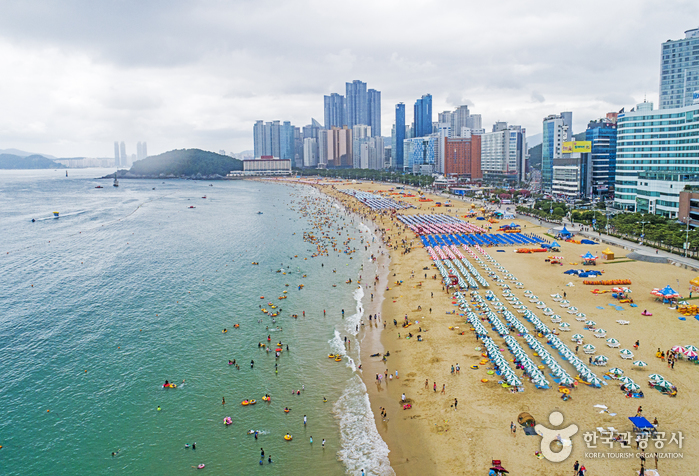
Additionally, those traveling in early summer 2026 can immerse themselves in massive regional events such as the Busan International Mobility Show (running from late June to early July) or catch stunning cultural exhibitions like the traditional Busan Lotus Lantern Festival. Exploring these spaces uncovers the true depth of Korea's coastal lifestyle.
4. Insider Tips: Booking Secrets & Ticket Pass Dissection
Securing your seats early is paramount, particularly if your travel dates coincide with major Korean holidays like Chuseok, Lunar New Year, or the peak cherry blossom and summer festival seasons when tickets can sell out within minutes of release. Standard reservations open exactly one month in advance of the travel date on the official Korail global platform.
For international visitors planning an extensive multi-city exploration beyond just a single round-trip, the specialized KORAIL Pass (KR Pass) offers unparalleled value. This tourist-exclusive pass allows for unlimited high-speed rail travel within a fixed consecutive or flexible multi-day window, often working out significantly cheaper if you intend to add historical stopovers like Gyeongju or food-centric cities like Jeonju to your cross-country itinerary. Let us look at a comprehensive breakdown of the core options available for your transit strategy:
| Transit Mode / Option | Average Travel Time | One-Way Base Price (Adult) | Best Suited For... |
|---|---|---|---|
| KTX Bullet Train | 2h 15m – 2h 30m | 59,800 KRW | Central Seoul departures, maximum speed, premium amenities. |
| SRT Bullet Train | 2h 10m | 52,600 KRW | Travelers based in Gangnam, Jamsil, or southern Seoul districts. |
| KORAIL Tourist Pass | Unlimited (Set Days) | From ~131,000 KRW | Multi-city explorers adding Gyeongju, Daegu, or Jeonju to trips. |
| Premium Express Bus | 4h 00m – 4h 30m | ~48,000 KRW | Budget travelers seeking luxury lie-flat seats with a scenic rest stop. |


